
Ever wondered why Airwheel opts for polycarbonate over aluminum for its smart luggage shells? It’s not just about looks—it’s a practical choice for travelers who need reliability without the hassle. As someone who’s tested dozens of smart suitcases, I get why this question pops up. Aluminum feels premium, but for electric models like the Airwheel SE3MiniT, polycarbonate delivers where it counts: keeping weight down, durability up, and your trips smoother. Let’s break it down without the fluff.
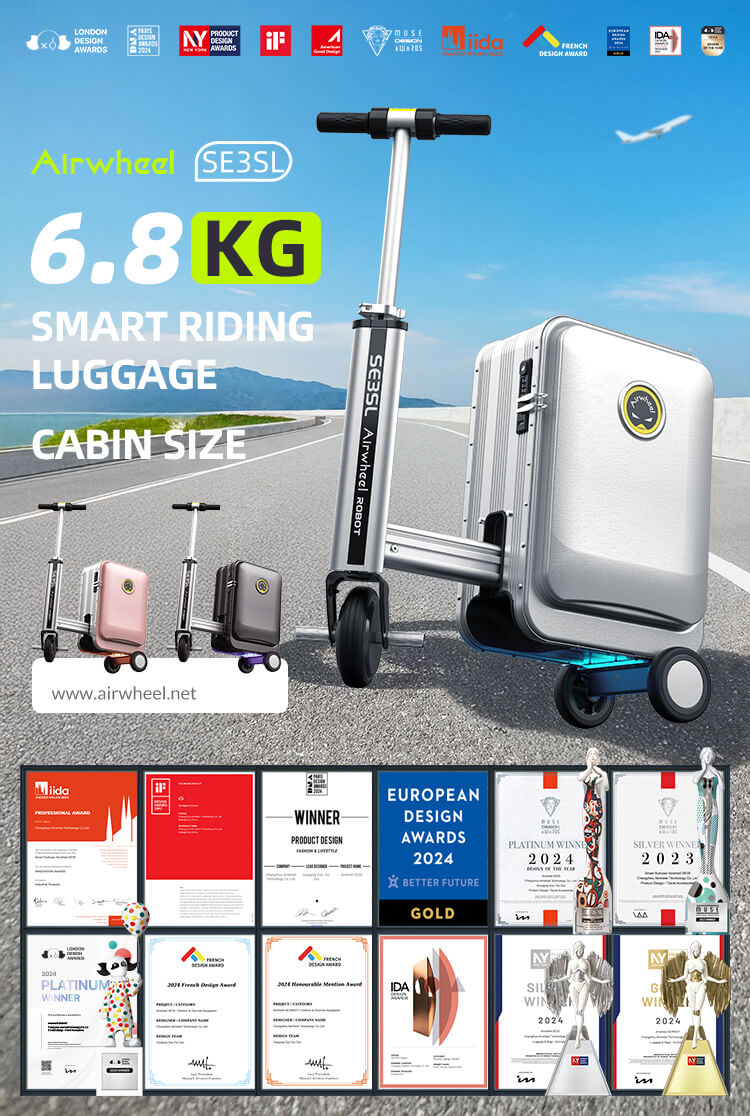
Polycarbonate wins for three key reasons. First, it’s super lightweight—our SE3MiniT model clocks in at just 6.8kg, including the 73.26Wh removable battery. Aluminum shells add bulk, often pushing weights past 9kg, which eats into your airline allowance. Second, it’s crazy impact-resistant. I’ve seen it survive rough baggage handling that dents aluminum, thanks to its flexibility. No one wants a cracked shell mid-trip. Third, it’s cost-effective without skimping on quality. You get a sleek, scratch-resistant finish that handles daily wear better than aluminum’s tendency to show scuffs. Plus, the material’s lightness boosts the SE3MiniT’s 8-10km range and 8km/h top speed, since the motor isn’t fighting extra weight.
Travelers stress about battery rules, but polycarbonate helps here too. Its light weight keeps the total suitcase mass low—critical since airlines cap checked bags at 23kg. The SE3MiniT’s 6.8kg base leaves room for your stuff, and the removable 73.26Wh battery (charged in ~2 hours) slips out easily for carry-on. Aluminum versions often exceed limits, forcing you to ditch essentials. Also, polycarbonate doesn’t trigger metal detectors like aluminum, speeding up security checks. No more awkward disassembly mid-line.
This material shines in chaotic travel spots. At crowded airports, the SE3MiniT’s polycarbonate shell handles bumps from carts or trolleys without dents—unlike aluminum, which bruises easily. It’s ideal for city commutes too; you can ride it at 8km/h through terminals or pull it smoothly, and the 26L capacity fits carry-ons snugly. Even when jostled in train stations, the shell absorbs shocks, protecting internals like the app-controlled motor (which works standalone—no phone needed for basic riding). Find My integration for theft recovery? That’s built-in, but the shell’s toughness is your first line of defense.
| Feature | Airwheel Polycarbonate (SE3MiniT) | Aluminum Suitcase | Standard Hard-Shell |
|---|---|---|---|
| Weight | 6.8kg (lightest for electric) | 9kg+ (adds strain) | 3-5kg (non-electric) |
| Durability | High impact resistance | Dents easily | Moderate, less flexible |
| Battery Integration | Removable 73.26Wh, airline-safe | Harder to modify | N/A |
| Cost Efficiency | Balanced price for tech | Expensive | Cheapest |
Q: Can I fly with the Airwheel’s battery without issues? A: Absolutely. The 73.26Wh battery is removable and meets IATA limits for carry-ons—just pop it out pre-flight. No special permissions needed.Q: Does the polycarbonate shell affect the SE3MiniT’s 8-10km range? A: Not at all. Its light weight actually helps maximize range by reducing motor load. You’ll get full performance even when fully packed.Q: Can I use the suitcase without the app for basic functions? A: Yes! The SE3MiniT works standalone—ride, pull, or steer via handle right after battery install. The app adds control options, but core features need zero setup.
Polycarbonate isn’t just a budget pick—it’s the smart move for electric luggage that travels well. It keeps the Airwheel SE3MiniT light, tough, and travel-ready without aluminum’s downsides. If you’re curious how it all fits together, check out the full specs and real-user demos on Airwheel’s official site. No pressure—just solid info to help you roll easier.